
“Learn Which Refrigerator Parts Are Most Likely To Fail And How To Stay Ahead Of Costly Repairs.”
We Offer A Wide Range Of Refrigeration Services
For All Your Complicated Needs
We offer comprehensive appliance repair services to customers and take great pride in providing quality service at every turn. We service major brands and tailor our services to meet manufacturer guidelines and your needs, and we never cut corners when it comes to getting the job done right! From small repairs to part replacements, you can count on us for prompt, reliable, and warrantied service.
Our Innovations
Industry Focused Products!
Compressors
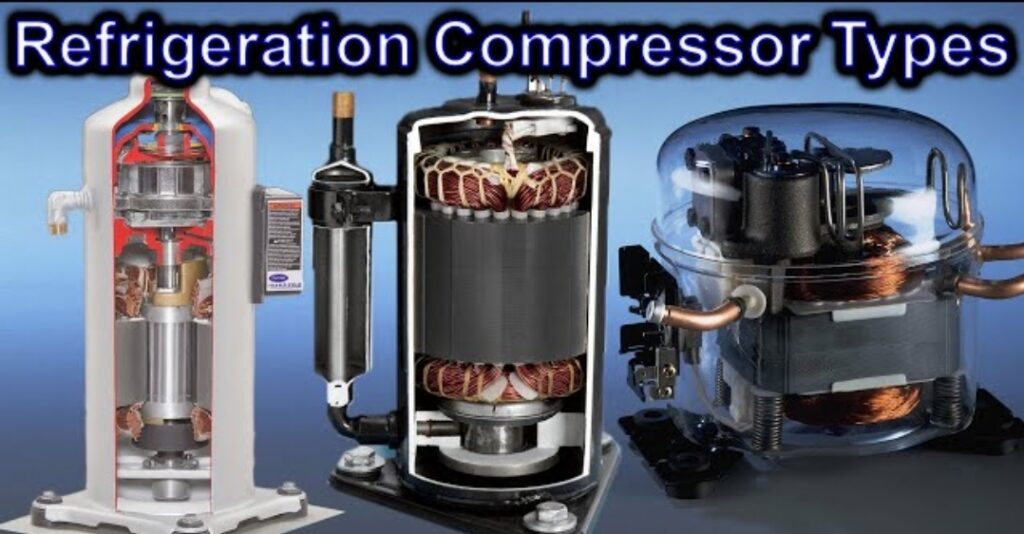
Compressors come in a wide range of sizes, from small units to those weighing up to 30 lbs. While their physical dimensions may vary, they all perform similar functions—primarily, circulating refrigerant (commonly Freon) through a sealed system. This process involves the refrigerant transitioning between vapor and liquid states. Most issues with compressors arise during these transitions due to fluctuations in high and low pressures within the system.
Capacitors / Relays
Compressor relays are electrical switches used in air conditioning and refrigeration systems to control the flow of electricity to the compressor. Their primary function is to start and stop the compressor by managing the power supply. In addition to this control role, relays also provide an important layer of protection by preventing electrical overloads that could damage the compressor.
Fans & Sensors
Refrigeration systems include several fans located both inside and outside the unit, each serving a specific purpose. Internal fans circulate air throughout the refrigerated space to evenly cool stored products. Meanwhile, external fans—typically located near the compressor and condenser—help dissipate heat. The fan near the compressor aids in keeping it cool during operation, while the condenser fan helps remove heat from the refrigerant (commonly Freon) as it transitions from a high-pressure vapor to a liquid, a crucial step in the cooling cycle.
Control & User Boards
The refrigerator control board functions as the “brain” of the appliance, coordinating and managing key operations to ensure optimal cooling and efficiency. It receives input from various sensors—such as temperature and humidity sensors—and uses this data to control components like the compressor, fans, and defrost system. Additionally, the control board manages the user interface display, allowing users to adjust settings and monitor the refrigerator’s performance.